
From Stress to Control: How Breathwork Modulates the Autonomic Nervous System

In endurance training it is common to focus on metrics such as power, pace or heart rate. However, there is another system that plays a decisive role in how an athlete responds to training and recovers between sessions: the autonomic nervous system or ANS. This system regulates automatic functions such as breathing, heart rate and …

1000-Meter Track Assessments in Older Adults

Experience and key insights from a Senior Program At CHASKi, we believe that measuring is not just about collecting numbers, but about creating experiences that help people and professional teams make better decisions. With that mindset, we recently took part in a series of 1000-meter track assessments conducted as part of a leading Senior Sports …

Respiratory Rate as a Marker of Cognitive Load

When we engage in mentally demanding tasks, something changes almost immediately in our physiology. Long before we become consciously aware of fatigue or overload, our breathing pattern begins to shift. This response is not random. It follows a remarkably consistent physiological rule. A comprehensive systematic review published in Neural Plasticity examined more than 50 experimental studies analyzing …

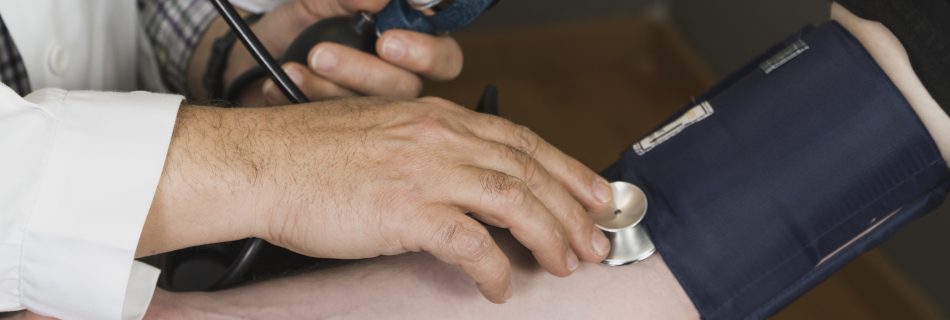
Breathing your way to lower blood pressure: what we learned with CHASKi

High blood pressure affects roughly one in three adults around the world, making it one of the most common and silent threats to cardiovascular health. Despite how widespread it is, many people remain unaware of their condition until it leads to more serious complications. While medication is essential for many, there is growing scientific evidence that …

Breathe to Heal: How Slow Breathing Naturally Reduces Blood Pressure

For years, hypertension has been known as the silent killer, a chronic rise in blood pressure that increases cardiovascular risk without obvious symptoms. While medication remains essential for many, recent studies show that something as simple as controlled breathing can meaningfully reduce blood pressure. The Physiology Behind Breathing and Blood Pressure Slow, deep breathing is more …

Your Breathing, Your Identity: The Science of Respiratory Fingerprints

A new study published in Current Biology reveals that each of us has a unique nasal respiratory fingerprint, an individually specific and stable pattern of breathing. This groundbreaking research shows that these “fingerprints” can be used to identify individuals with near-biometric accuracy and provide significant insights into a person’s physiology, emotional state, and even cognitive traits. For coaches and …

Why VO₂max Is the Health Metric Everyone Should Track—Not Just Athletes

In the world of endurance sports, VO₂max—the maximal rate of oxygen consumption during intense exercise—has long been used to gauge aerobic performance. But what if we told you this number isn’t just about who wins the race? It’s also one of the strongest predictors of how long and how well you’ll live. For coaches, athletes and anyone …