
HIIT vs. Sprint Intervals: How to Optimize VO₂max for Endurance Athletes

Maximal oxygen uptake (VO₂max) is the cornerstone of endurance performance, and two recent studies confirm that aerobic high-intensity interval training (HIIT) is superior to sprint interval training (SIT) in improving VO₂max for both men and women. For endurance coaches and self-educated athletes, these findings offer critical insights into structuring training programs for peak performance. Key Findings From …

Unlocking Performance Gains: The Power of Personalized Training Zones with CHASKi

Understanding the science behind exercise testing and training intensity zones is key to optimizing performance for endurance athletes. At CHASKi, we emphasize the value of data-driven training based on ventilatory thresholds, and today we’ll explore why testing and threshold-based training are so impactful. We’ll also dive into a cyclist’s case study, showcasing how CHASKi helped …

Introduction to Breathwork for Endurance Athletes

Research suggests that controlled, deliberate breathing patterns can dramatically affect sports outcomes. For instance, specific breathing techniques have been shown to enhance endurance performance by improving oxygen utilization and delaying the onset of fatigue[1]. Other studies have documented how different breathing techniques can either enhance or impair athletic performance, depending on their application, underscoring the …

Could Respiratory Rate Serve as a Superior Indicator of Physical Effort?

Metrics like heart rate, speed, and power have long been the gold standard for monitoring physical effort during exercise. However, emerging research suggests that respiratory rate (RR) could be a more reliable and insightful marker of exercise intensity. As coaches and athletes seek the most effective ways to optimize training, understanding the role of respiratory …

Knowing When to Rest: How to Avoid Overtraining by Monitoring Recovery and Respiratory Rate

Proper rest and recovery are essential components of any successful training program. At CHASKi, we believe that understanding when to take a break can help athletes avoid the pitfalls of overtraining. This post explores the principles of recovery, the differences between overreaching and overtraining, and how respiratory rate (RR) can serve as an indicator of …

Estimate Your Maximal Lactate Steady State Using Ventilatory Thresholds

Understanding the maximal lactate steady state (MLSS) is crucial for endurance athletes, as it signifies the highest intensity one can sustain without causing significant intramuscular or blood pH imbalances. Essentially, MLSS is a key indicator for gauging endurance performance, reflecting the ability to maintain a high aerobic rate during prolonged exercise. Breakthrough Study: Ventilatory Thresholds …

Training at altitude with CHASKi

The benefits of altitude training Altitude training is common practice among endurance athletes seeking to improve performance. It is generally performed at > 2,000 meters (> 6,560 ft) above sea level and induces a series of physiological adaptations, such as increased production of red blood cells and hemoglobin, which improve the body’s ability to transport and utilize oxygen. These adaptations generate improved …

Does it make any difference how you train?

This recent systematic review evaluated the use of different training methodologies, considering training intensity distribution (TID) as the key factor to optimising performance in middle and long-distance runners. The study included 20 articles and determined that the literature recognizes 3 predominant types of TID, which can be subdivided into polarized, pyramidal and threshold models. The …

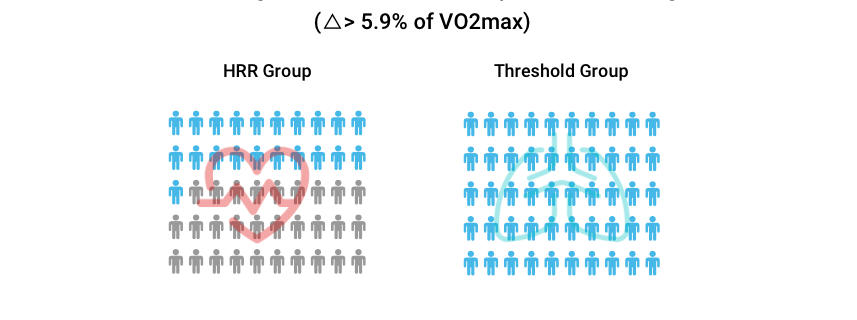
Did you know that all people who train based on their thresholds increase their VO2max?

Among the components of the exercise prescription, intensity is arguably the most important. If the intensity is too low, there may be no effect after training and if the intensity is too high it can lead to overtraining. The traditional way of prescribing exercise has been based on percentages of heart rate reserve (HRR) or …