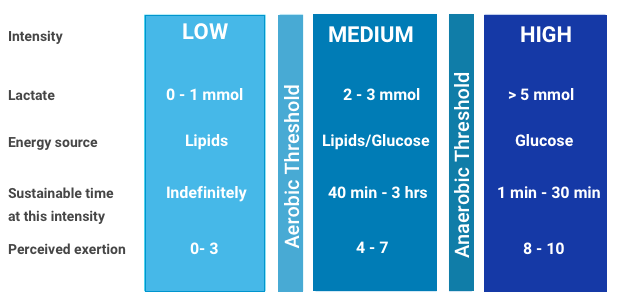

Unlocking Endurance: The Science and Practice of Zone 2 Training

In the endurance sports world, few topics have generated as much discussion lately as Zone 2 training. Once considered a basic form of “long, easy miles,” this intensity zone is now at the center of debates among coaches, athletes, and scientists. But what exactly is Zone 2, why does it matter, and how can athletes make …

Breaking your limits: how to train and improve VT2 for high intensity

In our constant pursuit of unraveling the secrets of endurance performance, we’ve already explored the First Ventilatory Threshold (VT1) as the foundation of our endurance. Today, we’ll raise the intensity to understand the next physiological milestone: the Second ventilatory threshold (VT2). What is the Second Ventilatory Threshold? The Second Ventilatory Threshold, commonly known as VT2 or also called …

First Ventilatory Threshold (VT1): The physiological key to your endurance performance

As experts in physiology and performance, we know that endurance success lies in deeply understanding our body’s signals. Today, we’ll delve into a fundamental concept for athletes and coaches: the First Ventilatory Threshold (VT1). The First Ventilatory Threshold, or VT1, is a critical physiological point during progressive exercise. It represents the exercise intensity at which a …

Race Pacing Starts with Physiology: Why Matching Distance to Your Thresholds Matters

Success in endurance sports isn’t just about grit—it’s about precision. One of the most overlooked performance strategies is aligning your race pacing with your ventilatory thresholds. Whether you’re targeting a 10K or a 100-miler, understanding how each race maps to your body’s internal limits is critical. That’s exactly where CHASKi steps in. CHASKi is the first wearable designed specifically for …

Ventilatory Thresholds vs. Lactate Thresholds: Are They Competitors or Complementary Metrics?

Ventilatory Threshold and Lactate: Complementary Metrics for Smarter Training In the world of endurance training, metrics reign supreme. From heart rate to power output, athletes rely on data to refine their training strategies and achieve peak performance. Among these metrics, ventilatory threshold (VT) and blood lactate levels stand out as two of the most insightful …

Unlocking Performance Gains: The Power of Personalized Training Zones with CHASKi

Understanding the science behind exercise testing and training intensity zones is key to optimizing performance for endurance athletes. At CHASKi, we emphasize the value of data-driven training based on ventilatory thresholds, and today we’ll explore why testing and threshold-based training are so impactful. We’ll also dive into a cyclist’s case study, showcasing how CHASKi helped …

Estimate Your Maximal Lactate Steady State Using Ventilatory Thresholds

Understanding the maximal lactate steady state (MLSS) is crucial for endurance athletes, as it signifies the highest intensity one can sustain without causing significant intramuscular or blood pH imbalances. Essentially, MLSS is a key indicator for gauging endurance performance, reflecting the ability to maintain a high aerobic rate during prolonged exercise. Breakthrough Study: Ventilatory Thresholds …

[Whitepaper] Assessment of ventilatory thresholds for zone training: Can they be obtained outside the laboratory?

Do you want to know what options exist to assess ventilatory thresholds and how you could do it on your own? In the whitepaper “Assessment of ventilatory thresholds for zone training: Can they be obtained outside the laboratory?” our Sports Specialist, Consuelo Soto, explains the benefits of zone training, how professionals do it and how …

Does it make any difference how you train?

This recent systematic review evaluated the use of different training methodologies, considering training intensity distribution (TID) as the key factor to optimising performance in middle and long-distance runners. The study included 20 articles and determined that the literature recognizes 3 predominant types of TID, which can be subdivided into polarized, pyramidal and threshold models. The …

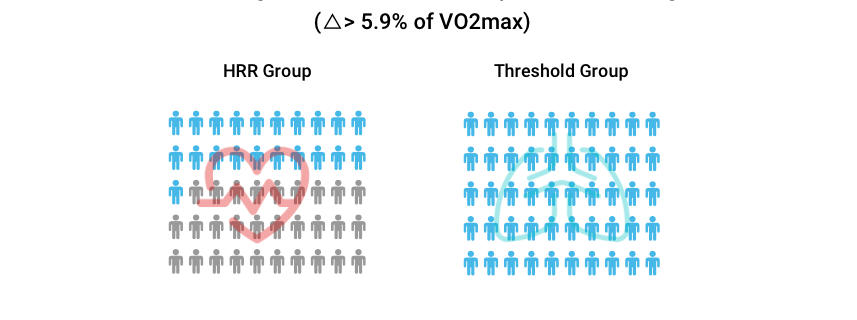
Did you know that all people who train based on their thresholds increase their VO2max?

Among the components of the exercise prescription, intensity is arguably the most important. If the intensity is too low, there may be no effect after training and if the intensity is too high it can lead to overtraining. The traditional way of prescribing exercise has been based on percentages of heart rate reserve (HRR) or …