
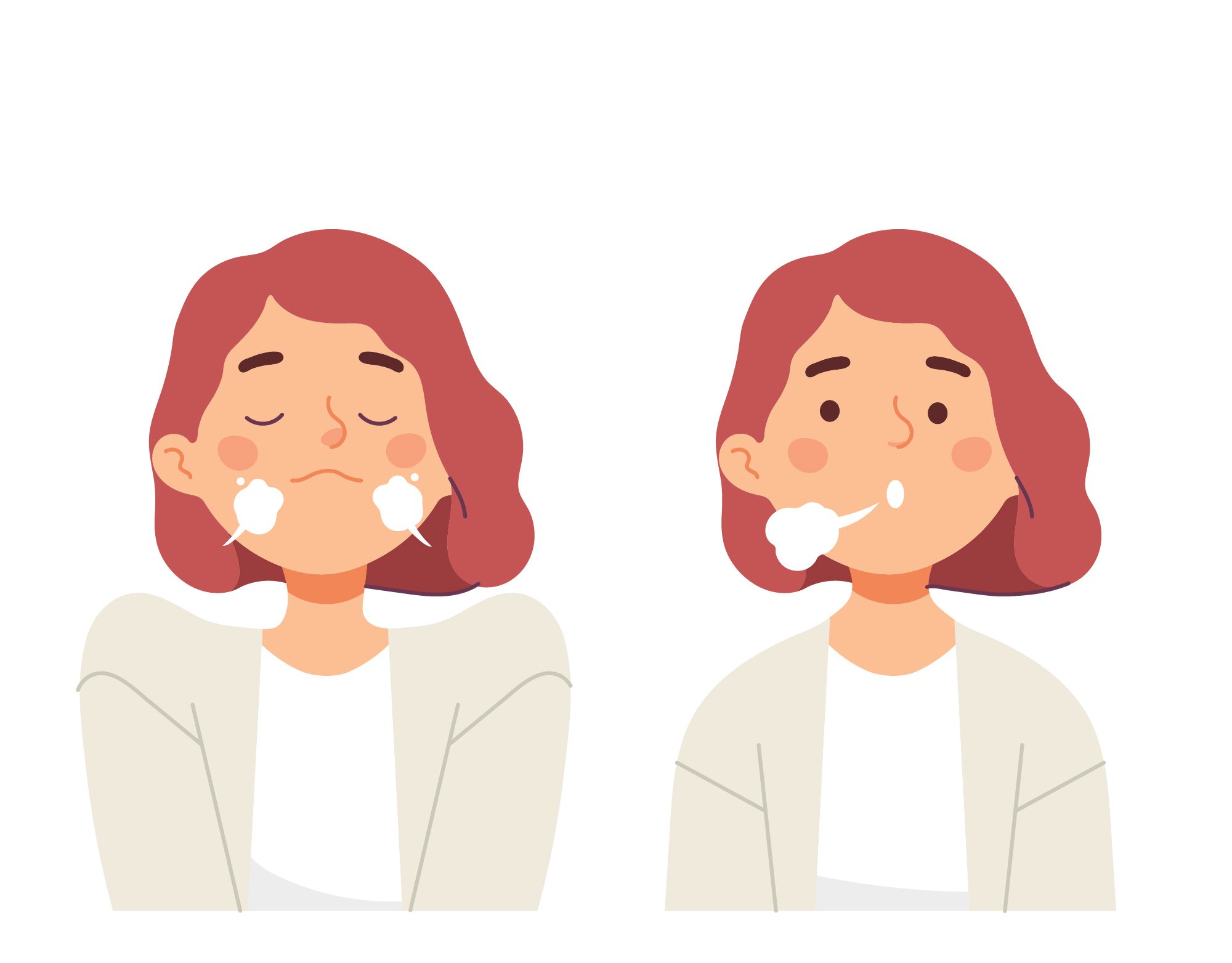
Receiving a breast cancer diagnosis changes everything. It is not only the body going through a difficult process. Fear, anxiety, uncertainty, and high levels of stress often become part of everyday life during treatment.
After a mastectomy, which is the surgical removal of a breast, the emotional impact can be overwhelming. In fact, several studies show that many patients experience high levels of stress, anxiety, and even depressive symptoms during this stage. And while medical treatments are essential, we now understand that supporting mental and emotional health is also an important part of recovery.
That is where something as simple as breathing can make a difference.
A study published in the Journal of Pharmacy and Bioallied Sciences evaluated the effects of a breathing exercise called “box breathing” in women who had undergone a mastectomy. The study included 140 women between 25 and 65 years old, divided into two groups. While one group received routine care, the other practiced guided breathing exercises.
The results were striking. Women who practiced the breathing exercises showed a significant reduction in stress levels over time. By the end of the study, none of the participants in the breathing group remained in the high stress category, while 90% of the control group still reported high stress levels.
So, what makes this type of breathing so effective?
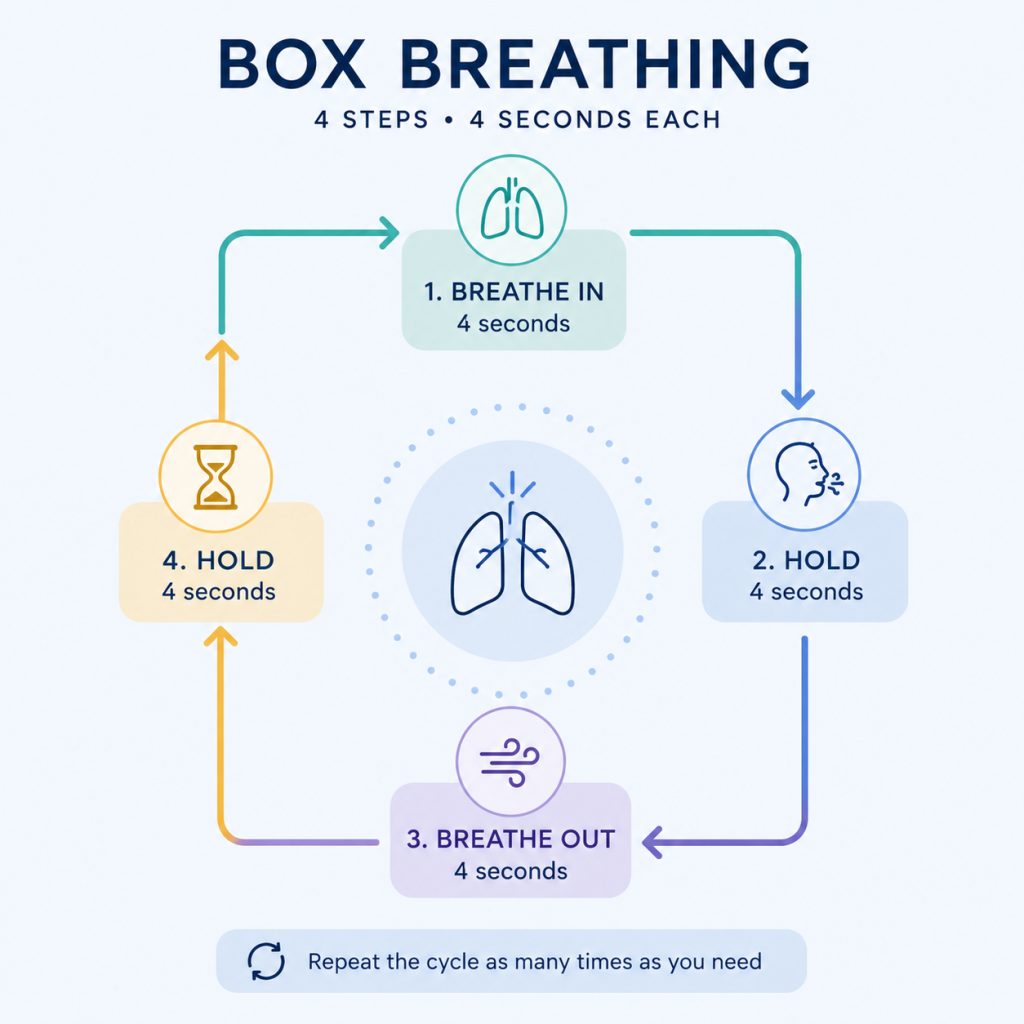
The technique is simple. It involves inhaling for 4 seconds, holding the breath for 4 seconds, exhaling for 4 seconds, and holding again for 4 seconds before repeating the cycle. This breathing pattern helps reduce the activation of the nervous system associated with stress and promotes a calmer, more regulated state.
When we are stressed, the body shifts into alert mode. Breathing becomes faster, heart rate increases, and stress hormones like cortisol are released. The problem is that when this state lasts for too long, it can affect sleep, mood, recovery, and even pain perception.
Conscious breathing acts as a signal of safety for the body. It helps slow down the nervous system and can create real physiological changes within minutes.
What makes it even more interesting is that no equipment, previous experience, or long sessions are required. These are accessible tools that can easily become part of a daily routine, even during hospitalization or demanding medical treatments.
And while breathing exercises do not replace medical care, they can become a powerful support tool to help patients move through difficult moments with greater calm and a stronger sense of control.
At Chaski, we often talk about how breathing impacts physical performance. But growing evidence also shows its important role in health, recovery, and emotional well being.
With Chaski, you can also practice breathing exercises using real time biofeedback. The system guides you throughout the session, allows you to customize inhalation, breath hold, and exhalation times for exercises like box breathing, and helps you visualize how you are breathing while you practice. A simple and objective way to turn breathing into a practical tool for stress management.
Sources
[1] Avudaiselvi, T., & Lakshmi Prabha, S. (2025). Effectiveness of box breathing exercises in reducing stress among women postmastectomy: A randomized controlled trial. Journal of Pharmacy and Bioallied Sciences, 17(2), 75–77. https://doi.org/10.4103/jpbs.jpbs_888_25